Fucoxanthin in Memo Volt
A brown-seaweed carotenoid studied almost entirely in animals rather than in human brains.
Included for antioxidant and metabolic activity, with essentially no human cognitive research behind it.
What it is
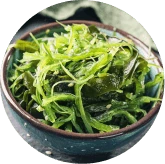
Fucoxanthin is the orange-brown carotenoid pigment that gives brown seaweeds their colour. It is structurally unusual among carotenoids and is metabolised in the body to fucoxanthinol and amarouciaxanthin A.
What the research shows
The research base is almost entirely preclinical. In rodent and cell models fucoxanthin shows antioxidant activity, reduces markers of inflammation, and has attracted attention for effects on fat metabolism. A small number of human trials exist, and they measured body composition rather than cognition, usually as part of combination products. We could find no randomised human trial measuring a cognitive outcome from fucoxanthin at any dose.
Limitations
Oral bioavailability is modest and variable. No established human dose exists for any cognitive endpoint, which means there is no benchmark to judge the blend against even if the amount were disclosed. Extrapolating from rodent metabolic studies to human memory is a long jump.
Dose in Memo Volt: undisclosed. Human research uses Not established for cognition. Because the label is a proprietary blend, there is no way to know whether the capsule contains that amount, a fraction of it, or a trace. This applies to every ingredient in the product and is explained in full on our evidence page.
Safety and interactions
No significant safety concerns identified at food-level intakes; seaweed-derived ingredients carry a general iodine consideration for anyone with thyroid disease, which is worth raising with a doctor.
Our verdict
A defensible antioxidant, an undemonstrated cognitive ingredient. Its presence adds plausibility to the marketing story rather than evidence to the formula.
Sources
- NIH Office of Dietary Supplements — ingredient fact sheets
- MedlinePlus — herb and supplement monographs