Ceylon Cinnamon Bark in Memo Volt
The low-coumarin cinnamon, included for blood-sugar steadiness rather than for memory itself.
A thoughtful choice of species, at a dose the blend cannot reach.
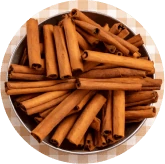
What it is
Ceylon cinnamon, sometimes called true cinnamon, is a different species from the cassia cinnamon sold in most supermarkets. The distinction matters: cassia is high in coumarin, which is hepatotoxic in quantity, while Ceylon contains very little. Choosing Ceylon is the single most defensible formulation decision visible on this label.
What the research shows
Human trials of cinnamon for blood glucose are numerous and inconsistent. Some report modest reductions in fasting glucose and HbA1c; others find nothing. Meta-analyses tend to conclude that an effect may exist but is small and heterogeneous. Studied amounts are in grams — typically one to six grams a day — not milligrams. No cognitive outcomes have been measured.
Limitations
Grams versus milligrams is the whole story. A capsule blend cannot deliver a gram-scale dose of any single ingredient alongside nine others. Whatever cinnamon is here is present at a fraction of what was studied.
Dose in Memo Volt: undisclosed. Human research uses 1–6g/day in trials. Because the label is a proprietary blend, there is no way to know whether the capsule contains that amount, a fraction of it, or a trace. This applies to every ingredient in the product and is explained in full on our evidence page.
Safety and interactions
Ceylon cinnamon is well tolerated and the coumarin concern that applies to cassia largely does not apply to it. It contributes mildly to the same glucose-lowering direction as berberine and corosolic acid, which matters cumulatively for anyone on diabetes medication.
Our verdict
A sensible species choice at an almost certainly token dose. Harmless, and unlikely to be doing much.
Sources
- NIH Office of Dietary Supplements — ingredient fact sheets
- MedlinePlus — herb and supplement monographs